

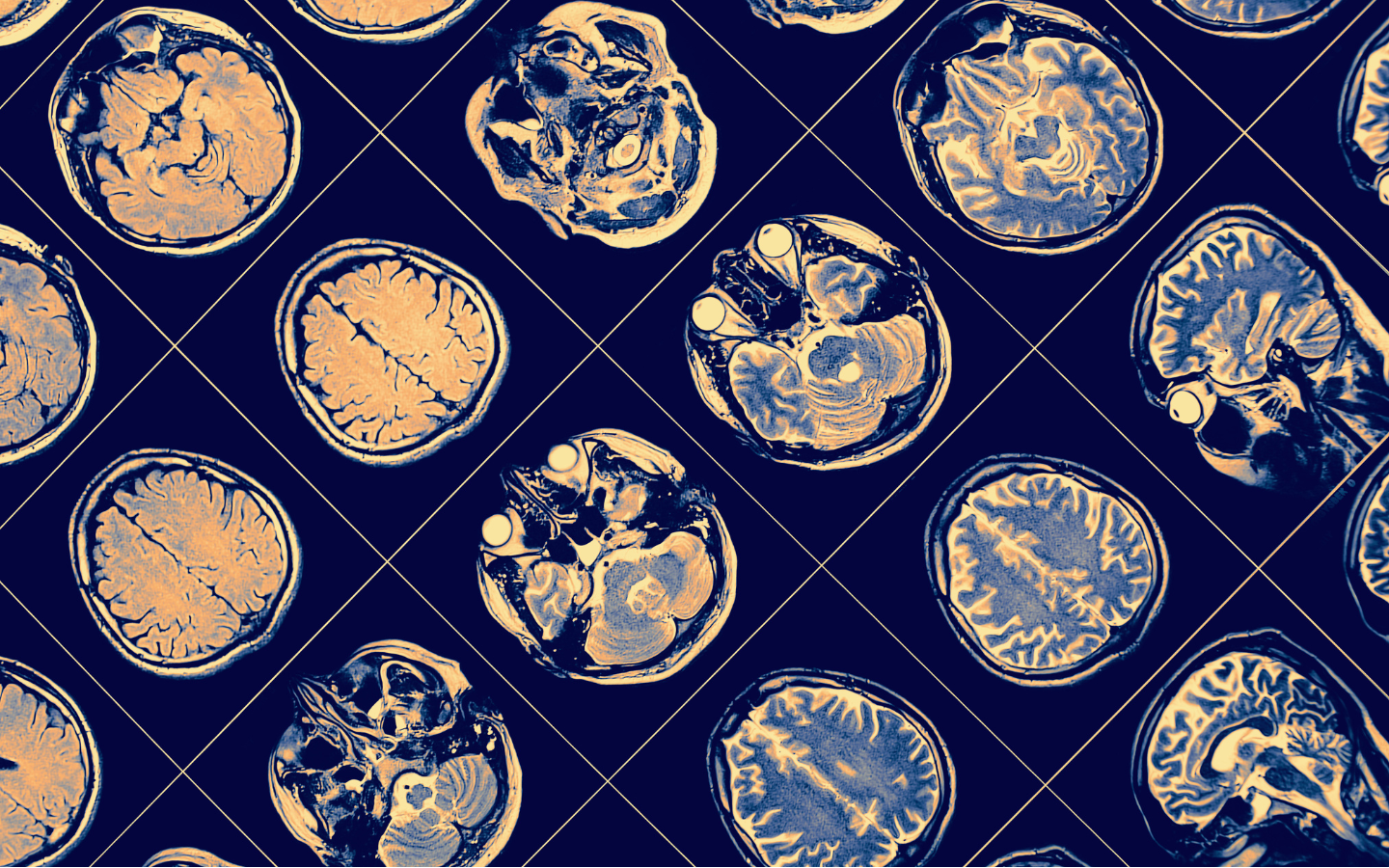

Living with neurological symptoms can change daily life fast—mobility may shrink, thinking may feel slower, and independence can become harder to maintain. Many conventional care plans focus on symptom control, which is important, but it can also leave patients searching for options that support the body more deeply. This is where regenerative medicine enters the conversation, especially for people exploring neurological disorders and broader wellness‑based care.
At PCT Panama, programs are designed for patients who want to explore supportive regenerative strategies alongside their existing medical plan. PCT Panama’s neurological disorders page highlights the clinic’s focus on conditions such as Autism, ALS, Alzheimer’s disease, Multiple Sclerosis, Parkinson’s disease, and Traumatic Brain Injury.
What makes neurological disorders complex?
Neurological disorders can involve ongoing inflammation, impaired signaling between nerves, and progressive loss of function. Symptoms can look different for every person, even with the same diagnosis. Some people struggle mostly with balance and movement, while others deal primarily with fatigue, pain, cognition, or speech. This variability is one reason individualized treatment planning matters so much in neurological care.
Why people explore neurological disorders stem cells
Interest in neurological disorders stem cells is growing because stem cells are being studied for how they may support repair pathways and reduce damaging inflammation. Rather than acting like a “quick fix,” this approach is often positioned as a supportive strategy—aiming to help the nervous system create a healthier environment for function, stability, and recovery.
Patients typically consider this path when they want to explore options that may:
-
Support nerve health and cellular communication.
-
Calm chronic inflammation that can worsen symptoms over time.
-
Complement physical therapy, nutrition, and lifestyle changes.
-
Offer a structured, medically supervised program outside of purely pharmaceutical care.
How neurological disorders stem cells panama programs may help
A key phrase patients search is neurological disorders stem cells panama, because Panama has become a destination for people seeking advanced regenerative programs. For neurological conditions, many protocols aim to support the nervous system by addressing inflammation and promoting a more repair‑friendly internal environment.
In practice, this often means focusing on:
-
Lowering inflammatory signaling that may aggravate neurological symptoms.
-
Supporting the body’s recovery response after injury or degeneration.
-
Improving resilience so rehabilitation and daily function become easier to maintain.
The role of mesenchymal stem cells
At the center of many regenerative protocols are mesenchymal stem cells. These cells are often discussed for their ability to support immune modulation, tissue repair signaling, and overall regenerative communication. For neurological disorders, the objective is commonly described as supporting the “terrain” around damaged or stressed neural tissue—helping the body reduce harmful inflammation and encouraging repair pathways that may translate into functional gains for some patients.
While outcomes vary and no responsible clinic should promise a cure, many patients pursue this option because it targets multiple biological factors at once instead of only one symptom.
Why Panama stem cells are part of the conversation
Choosing panama stem cells is often about access to specialized regenerative protocols, a streamlined patient experience, and a setting built around international medical travel. For many patients, the bigger value is not only the therapy itself, but also the structured environment—evaluation, treatment planning, supportive therapies, and follow‑up guidance.
Affordable stem cell therapy and realistic expectations
Cost matters, especially for long‑term conditions that already carry ongoing expenses. Many patients explore affordable stem cell therapy because they want a program that is feasible without compromising their ability to sustain rehabilitation, lifestyle changes, and medical follow‑ups. A thoughtful plan considers not only the initial therapy, but also recovery routines, movement therapy, sleep, and nutrition—because neurological progress is often built through consistent, compounding steps.
A practical next step
If you’re considering neurological disorders stem cells, it helps to define what “improvement” means for you: fewer bad days, better balance, clearer thinking, more stamina, or simply the ability to do everyday tasks with less struggle. With realistic goals, careful medical screening, and a supportive plan, regenerative medicine can become one part of a broader strategy for living better with neurological disorders.